
Clark Gregg incarne le fantôme de Matthew Broderick dans Painkiller sur Netflix, avec les explications des producteurs
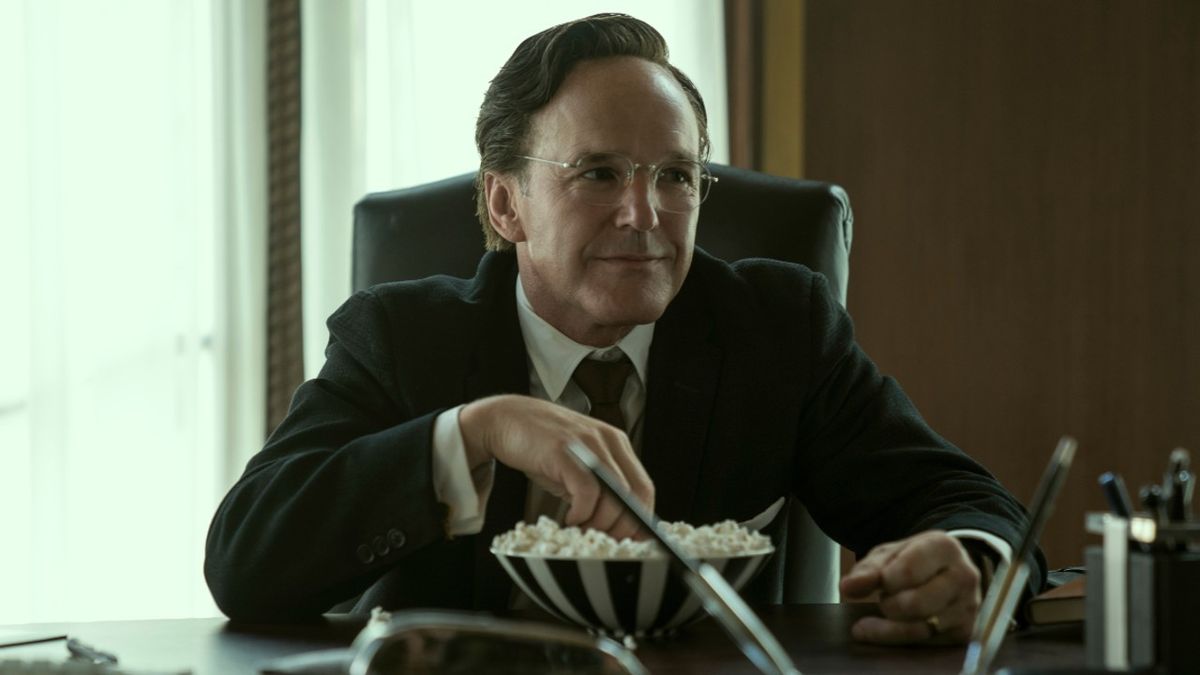
Netflix’s Painkiller is a gripping series that delves into the OxyContin crisis and the opioid epidemic. Unlike other shows that focus on a singular individual, Painkiller emphasizes the complex nature of this issue. Through flashbacks, viewers learn about the beginnings of Purdue Pharma and its founder Arthur Sackler, portrayed by Clark Gregg. However, the series takes a unique approach by depicting Arthur as a ghost-like spirit in the imagination of the primary antagonist, Richard Sackler, played by Matthew Broderick. This creative decision sheds light on the long-standing relationship between drugs and marketing, and the producers have shared their insights on this storytelling technique.
A Toxic Relationship Exposed
Throughout the series, Arthur’s character engages in conversations with his nephew Richard, emphasizing the importance of selling and promoting the drug. This connection between Purdue’s founder and the man spearheading the sale of OxyContin, Richard Sackler, highlights the lasting impact of Arthur Sackler’s practices on the creation of the drug. The executive producer of Painkiller, Eric Newman, explained why they chose to portray the relationship between the two characters rather than relying on flashbacks.
“Arthur Sackler was a pioneer in the dangerous union of marketing and drugs, and his influence on Purdue Pharma cannot be ignored,” said Newman. Rather than a mere invention, Arthur Sackler significantly contributed to the ideology behind the pharmaceutical industrial complex. Although he did not live to witness the creation of OxyContin, his legacy played a defining role in its development.”
A Clear Distinction
Newman further elaborated on the distinction between Arthur Sackler’s practices and the tragedy of the opioid crisis. He emphasized the fundamental irresponsibility behind the proliferation of drugs motivated by profit-driven strategies. This approach of prioritizing sales over public health is epitomized by the worst-case scenario that transpired.
An Inventive Perspective
Bringing Clark Gregg on board to play Richard Sackler’s ghostly uncle allowed the show to offer a unique perspective on the business practices surrounding the opioid crisis. This mode of storytelling effectively conveyed the magnitude of the issue, dispelling the notion that it was solely driven by ’80s greed. By fictionalizing the real story, Painkiller aimed to shed light on the wider implications of Purdue Pharma’s actions.
Real-Life Consequences
Painkiller not only fictionalizes the events surrounding the opioid crisis but also portrays the real-life impact of OxyContin addiction. Families affected by this epidemic were given the opportunity to narrate disclaimers, further heightening the understanding of the issue’s consequences. Additionally, the relationship between Arthur and Richard symbolizes the generational span of Purdue Pharma’s actions and their repercussions.
Author Barry Meier, whose book Painkiller is based on and who serves as a consulting producer on the show, discussed how dramatizing this element enhanced the storytelling. He acknowledged that while the responsibilities of a journalist end once someone has passed away, scriptwriters and creators have the ability to keep characters alive. Meier believes that Arthur’s spirit in the show offers insight into Richard Sackler’s mindset, exploring the depths of self-delusion that his character, portrayed by Matthew Broderick, reaches.
Both Clark Gregg and Matthew Broderick deliver powerful performances, embodying the real-life individuals responsible for the rise of OxyContin and the devastating crisis that ensued. Gregg’s portrayal of Arthur as a ghostly presence alongside Broderick’s Richard effectively underscores the ongoing nature of the issue, transcending generations.
Source : www.cinemablend.com
