
La chute de la Maison Usher sur Netflix : une ambiance parfaitement captivante
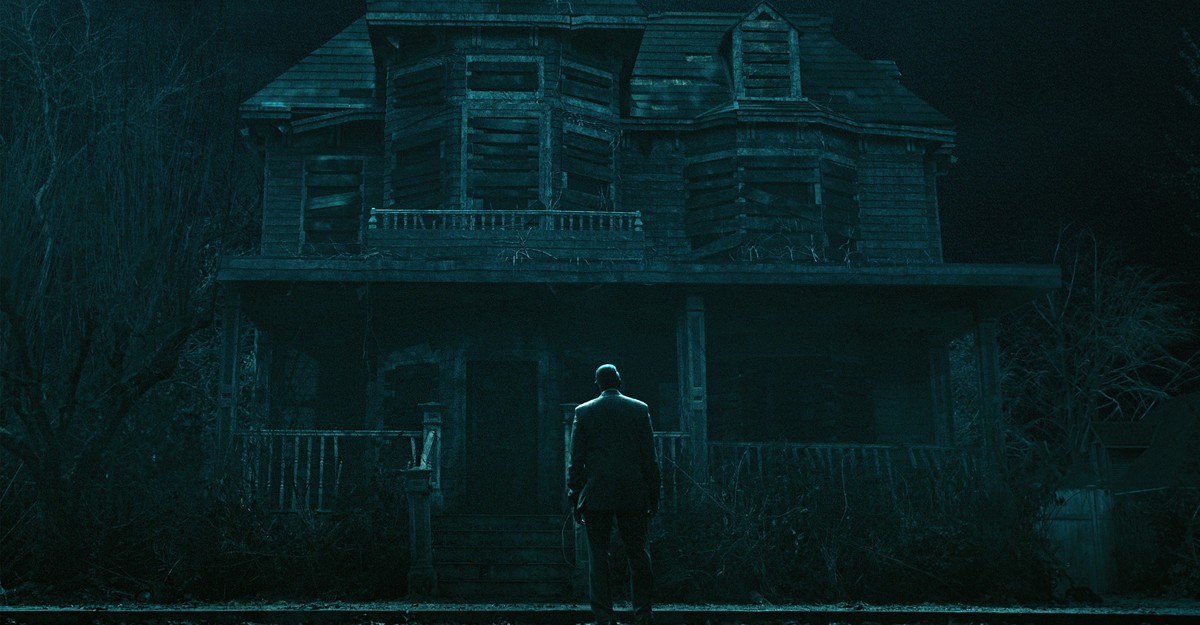
Netflix’s adaptation of The Fall of the House of Usher brings Edgar Allan Poe’s 19th-century work into contemporary times. Mike Flanagan’s eight-episode anthology series remixes multiple short stories, reimagining the characters and plotlines in unfaithful yet clever ways. Despite these changes, Flanagan manages to preserve the crucial element of Poe’s work: its Gothic mood. Each episode is imbued with an atmosphere of dread and gloom, reminiscent of Poe’s writing.
Transforming the Characters
Flanagan takes Poe’s characters and gives them a modern twist. For instance, Roderick Usher, originally portrayed as a sickly man, becomes a silver-haired patriarch running a pharmaceutical conglomerate. Madeline Usher, originally a weak and thin woman, is transformed into an ambitious industry titan. These changes, along with differences in time period, cast size, and story arc, create a fresh take on Poe’s work.
Maintaining the Gothic Mood
What’s noteworthy about the Netflix adaptation is its ability to capture Poe’s Gothic mood. Flanagan successfully creates an atmosphere of dread and gloom in each episode, even when portraying scenarios outside of Poe’s stories. This is achieved through the show’s visual style, with a foggy, slate-colored palette and contrasting moments of inky darkness. Music also plays a central role in enhancing the Gothic sensibility.
A Sense of Moral Outrage
Flanagan injects his own sense of moral outrage into the adaptation, a departure from Poe’s original works. By drawing parallels between the Usher family and the Sackler family, who profited off addictive painkillers, Flanagan addresses the greed and destruction of the wealthy. Each episode explores the consequences of the Usher’s actions, emphasizing the themes of justice and societal decay.
A Resonant Social Commentary
The Fall of the House of Usher not only tells the story of a crumbling home but also serves as a social commentary on a ruined society. Flanagan uses Poe’s atmospheric fear and dread to critique the rich and powerful who profit from the suffering of the masses. Through its preservation of mood and powerful social commentary, the Netflix adaptation breathes new life into an old story.
Source : www.theatlantic.com
