
Les détails de “Masters of the Air” maîtrisés mais le contexte manquant
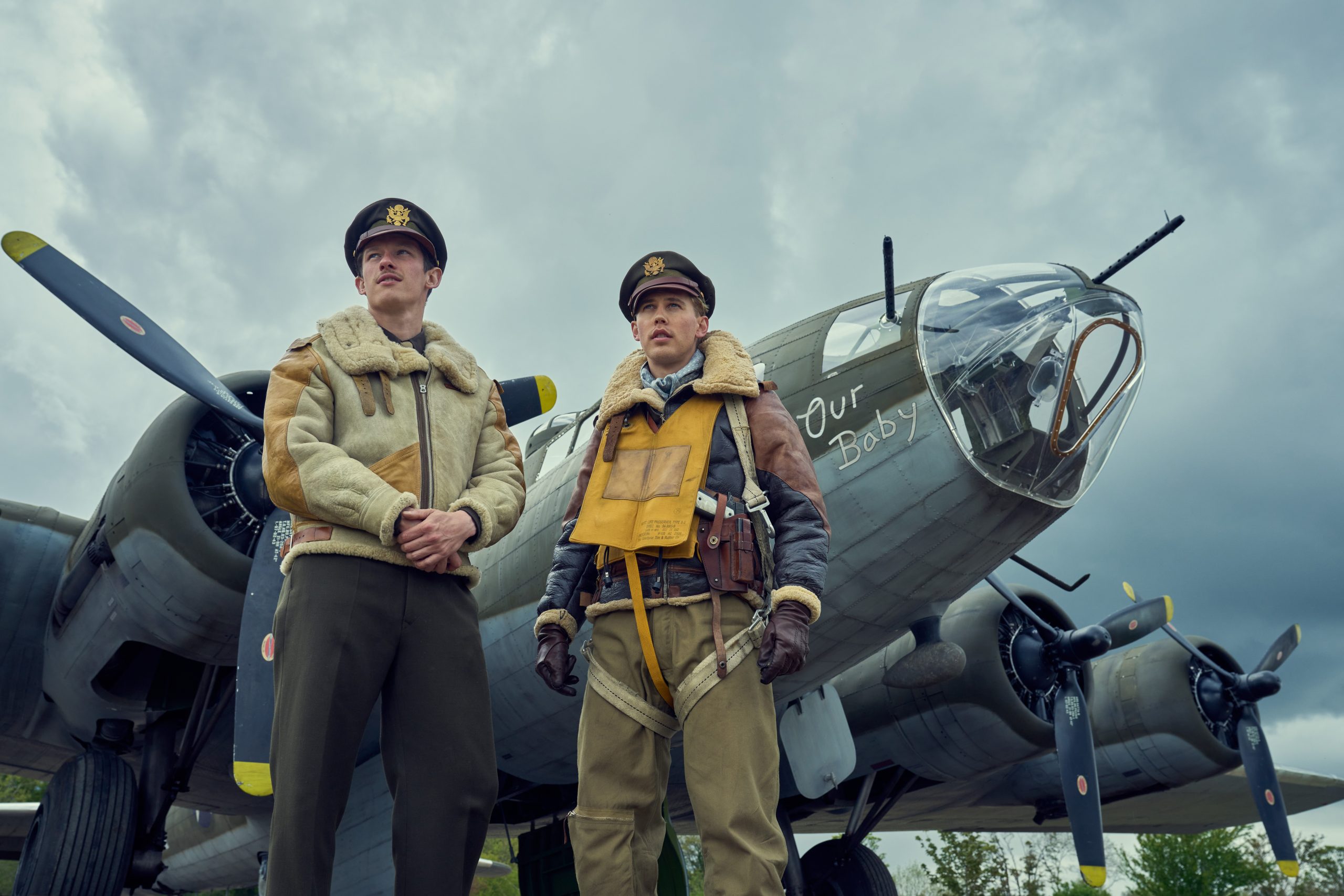
Nouvelle série TV “Masters of the Air” de manière captivante
La nouvelle série télévisée en neuf épisodes, “Masters of the Air,” reflète de façon magistrale la réalité effroyable de la vie au sein du 100th Bomb Group de l’Armée de l’air des États-Unis pendant la campagne de bombardements diurnes en Europe pendant la Seconde Guerre mondiale. Cependant, selon un expert, les téléspectateurs regardant la série sur Apple TV+ pourraient manquer un certain contexte historique plus large.
The Tactical Brilliance
The production vividly portrays the terror of air combat through details large and small: from the frostbite a tail gunner suffers trying to clear a machine gun jam at altitude, to the centrifugal force pinning crews inside a stricken bomber, to the spent .50 calibre shell casings spilling out of a hatch after a difficult mission. Beyond the terror, the show also captures the exultation of watching a formation of bombers take to the sky, the selflessness of pilots risking an entire squadron to protect a wounded comrade, and the moments that seem too real to be true—like when an aircraft commander and a squadron commander argue over who should parachute out of their falling B-17 last, a real-life detail that actually happened.
The missing strategic narrative
Le plus grand manque, selon l’expert c’est le manque d’un récit stratégique qui aurait donné un contexte aux terribles pertes du 100th: 757 hommes tués ou portés disparus, 923 prisonniers de guerre.
Through 1942, 1943, and early 1944, the USAAF conducted relatively accurate and effective strikes on ball-bearing plants and centers of industry, but with such high loss rates, and without enough trained crews and bombers, it lacked the ability to re-strike those targets. A B-17 flies through heavy flack during a raid on Ludwigshafen, Germany, in September 1944. USAF/AFA Library. Not until 1944 did the USAAF finally gain the scale to re-strike targets, such as petroleum refineries. “Masters” mentions how the size of the raids grew from just 12 bombers in June 1942 to more than a thousand by the end of the war. The development of long-range fighters equipped with drop tanks also reduced losses by protecting bombers closer to the target. Still, there was a good reason why the air commanders kept sending crews to the meat-grinder before sufficient scale was achieved. With the Soviet Union losing millions of troops on the Eastern Front and the rest of the Allies fighting in North Africa and Italy, the USAAF had to do what it could to keep the pressure on Germany, Birkey explained. Many of the commanders flew those missions themselves, as well. “We had to do anything possible to exert pressure on them and degrade their ability to fight,” he said. “Something was better than nothing, and it was an existential war–everything was on the line. The luxury of waiting for the perfect was not possible.” Though the losses suffered by the 8th Air Force during the bombing campaign surpassed 26,000 men, about 30 percent more than the number of Marines killed in the entirety of World War II, those losses were not in vain. The early raids took vital German air resources away from other fronts and took a substantial toll on German war production. Birkey said the overall success of the campaign is evident in the fact that the Allies crossed from Normandy to Berlin in less than a year, where it took four years to go just a few miles in either direction in World War I. “That is how you measure the impact of strategic bombing,” he said. “We were able to so stress their system that when the invasion occurred,…
Source : www.airandspaceforces.com
