
Critique : La série Netflix “Toute la lumière que nous ne pouvons voir” éclaire moins que le roman aimé.
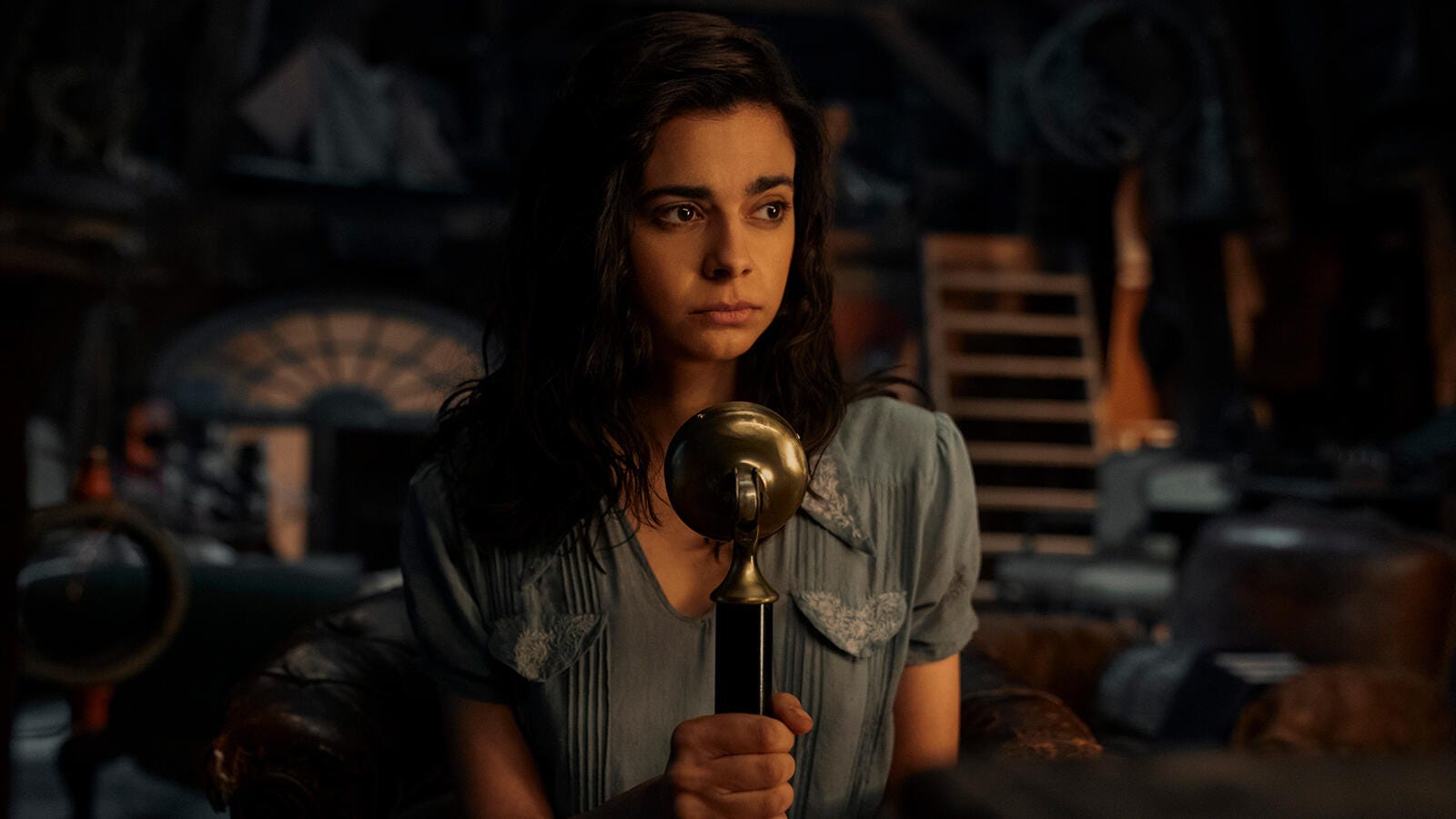
Netflix’s adaptation of Anthony Doerr’s Pulitzer Prize-winning novel, All the Light We Cannot See, attempts to capture the complexities of the book but falls short in some areas. Developed and written by Steven Knight and directed by Shawn Levy, the four-episode limited series tells the story of Marie-Laure LeBlanc and Werner Pfennig during the Nazi occupation in Saint-Malo. While the series is visually stunning and features standout performances, the character and plot development feel inadequate, and the pacing is off, diminishing the emotional impact of the story.
The Challenge of Adaptation
Adapting a novel as intricate and renowned as All the Light We Cannot See is no easy feat. With its non-linear narrative and rich prose, the novel delves deeply into the internal thoughts and experiences of its characters. Translating these elements onto the screen poses significant hurdles, and the series struggles to overcome them all.
Lost Nuance
In condensing the over 500-page book into a four-hour series, much of the nuance and depth of Doerr’s story is lost. The attempt to keep various characters and storylines intact results in underdeveloped and simplified versions. While the addition of action scenes makes sense for a visual medium, the series’ time-hopping structure combined with these added sequences creates pacing issues and undermines the emotional payoff.
Premature Meetings and Lacking Payoffs
The premature meetings and reveals in the series disrupt the flow of the story and diminish the emotional impact. One example is the conflict between Marie and von Rumpel, a high-ranking member of the German army seeking the jewel in the LeBlancs’ possession. Their encounter in the first episode deflates the tension that could have built up to their final confrontation. These missteps result in a war story that looks stunning but lacks the emotional depth and intensity of the novel.
Impressive Performances
Despite its flaws, the series features standout performances. Hugh Laurie shines as Etienne, a World War I veteran with PTSD, who finds redemption through his relationship with Marie. Aria Mia Loberti delivers a remarkable portrayal of Marie, effectively capturing her fear and resilience. Loberti’s lack of previous acting experience makes her performance even more impressive.
A Missed Opportunity
All the Light We Cannot See falls short of its potential as a thought-provoking and emotionally resonant series. While it is not a bad way to spend four hours, it could have been much more. The characters could have been more complex and interesting, the story more nuanced, and the emotions more heightened. The series remains a missed opportunity to fully capture the power and impact of Doerr’s novel.
Source : www.tvguide.com
