
Les 10 scènes en un seul plan les plus mémorables au cinéma et à la télé.
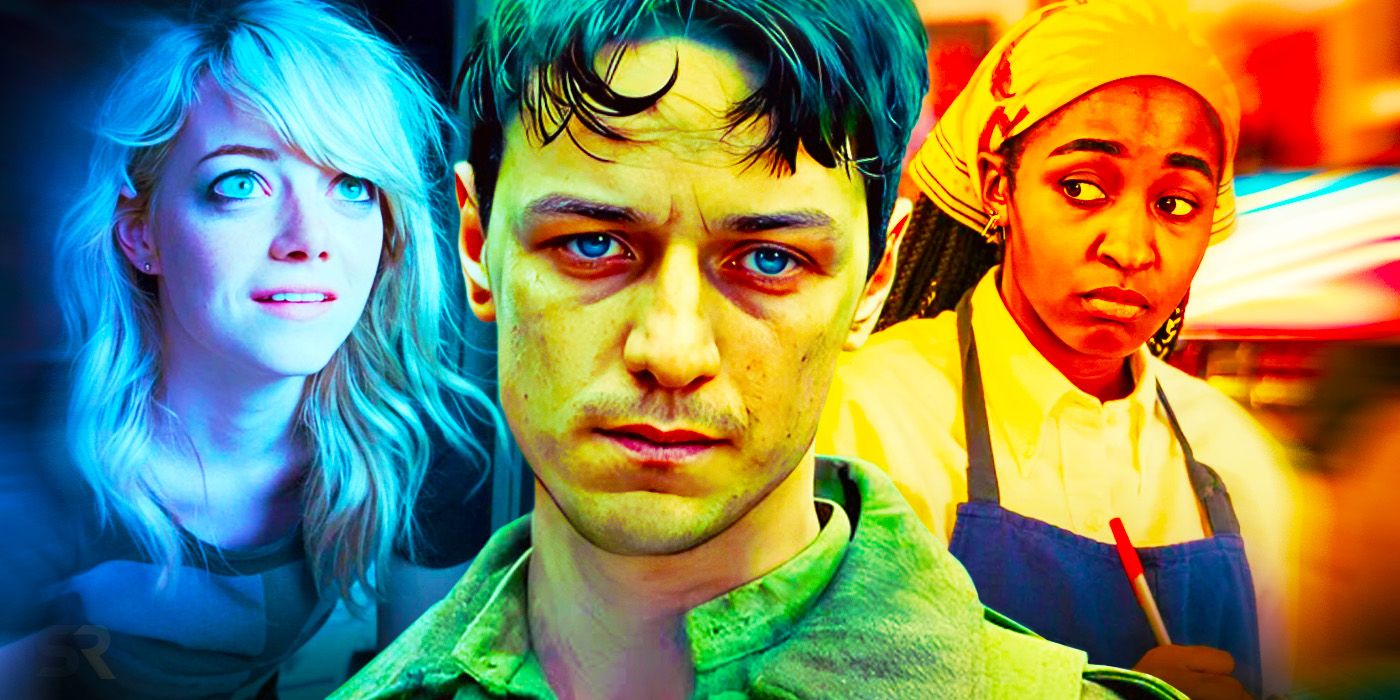
Unleashing the Power of One-Take Scenes: Pushing the Boundaries of Visual Storytelling
Introduction:
Filmmakers and showrunners constantly seek innovative ways to elevate their stories. One powerful technique that challenges conventional storytelling methods and pushes the boundaries of visual storytelling is the use of one-take scenes or tracking shots. These scenes, seen in movies and TV shows like Birdman and Spectre, showcase impressive camerawork, acting, and direction, providing viewers with an intimate and intense experience. In this article, we will explore the impact of one-take scenes in cinematic history, highlighting some of the most memorable examples.
The Evolution of One-Take Scenes:
One-take scenes have come a long way in the history of cinema, with films like Birdman and 1917 setting new standards for technical drive and artistry. These scenes offer a unique viewing experience by capturing pivotal moments or even entire narratives in a single take. The precise planning and execution required for these shots demonstrate the mastery of filmmakers, immersing the audience in the story and pushing the boundaries of visual storytelling.
Memorable One-Take Scenes:
Throughout movie and television history, there have been several one-take scenes that have left a lasting impact on viewers. Let’s explore some of the most memorable examples:
1. Looking (Season 2, Episode 10)
In the underrated HBO show Looking, the season 2 finale features a gripping one-take scene that showcases the intensity of a life-altering moment between Kevin and Patrick. The long take creates an immersive and voyeuristic experience for viewers, allowing them to witness the raw and unfiltered emotions of the couple. The absence of cuts adds to the realism of the scene, making it unforgettable.
2. Spectre (2015)
The opening scene of Spectre, starring Daniel Craig as James Bond, utilizes a visceral one-take shot to immerse the audience in the action. Bond navigates the Day of the Dead festival in Mexico City, leading to an intense rooftop chase and a helicopter sequence. This single, unbroken shot adds urgency and authenticity to the scene, making it one of the most iconic Bond franchise openings.
3. Goodfellas (1990)
Martin Scorsese’s Goodfellas is known for its iconic one-take shot that follows Henry Hill and Karen through the Copacabana nightclub. This elegant and seamlessly executed shot allows the audience to experience the glamour of the mob world through the characters’ eyes. It highlights the characters’ social status and the charm of their lifestyle, leaving a lasting impact on the history of filmmaking.
4. Children of Men (2006)
Alfonso Cuarón’s Children of Men features a remarkable one-take shot that captures a terrifying car chase in a dystopian world. The scene follows Theo as he escorts the pregnant Kee through chaotic battlefields. The uninterrupted take puts the audience in the car with the characters, allowing them to experience the fear and desperation in real-time.
5. True Detective (Season 1, Episode 4)
An intense, six-minute single-take shot in True Detective depicts Rust Cohle infiltrating a drug den. The continuous shot adds tension and immerses viewers in the character’s perilous journey. Matthew McConaughey’s exceptional performance combined with the technical mastery of the shot makes it one of television’s most memorable and masterful moments.
6. The Revenant (2015)
In The Revenant, a visually intoxicating one-take shot captures the brutal attack on the main character, Hugh Glass, by a bear. The uninterrupted take plunges the audience into the horrific details of the moment, showcasing Leonardo DiCaprio’s commitment to the role and the flawless execution of the shot.
7. Atonement (2007)
Atonement crafts a continuous tracking shot during the Dunkirk evacuation, offering a prolonged and emotionally charged experience. James McAvoy’s gripping performance adds to the shot’s impact, highlighting the chaos and tragedy of war while serving as a metaphor for redemption.
8. Victoria (2015)
Victoria, directed by Sebastian Schipper, takes on a daring approach with a 138-minute one-take film. This ambitious project places viewers directly into the unfolding chaos of a drama-filled night in the streets of Berlin. The unbroken narrative creates urgency, blurring the lines between storytelling and reality.
9. The Bear (Season 1, Episode 7)
FX’s The Bear utilizes an 18-minute one-take shot to capture the chaotic environment of a Chicago sandwich shop. Director Christopher Storer’s meticulous choreography and visually stunning execution make this scene stand out, showcasing the high-stress world of the troubled chef Carmy.
10. Birdman (2014)
Birdman is celebrated for its groundbreaking use of a nearly seamless single-take scene. The unbroken shot creates a sense of immediacy, immersing the audience in the fast-paced world of the theater. This unforgettable cinematic experience showcases the technical brilliance of the filmmakers and the exceptional performances of the cast.
Conclusion:
One-take scenes and tracking shots have revolutionized visual storytelling, pushing the boundaries of filmmaking. Memorable examples like those found in Birdman and Spectre provide an immersive and intense viewing experience, captivating audiences with their impressive camerawork, acting, and direction. These scenes require precise planning and execution, showcasing the mastery of filmmakers and offering viewers a unique cinematic journey. The evolution of one-take scenes throughout cinematic history proves their impact and solidifies their place in the realm of visual storytelling.
Source : screenrant.com
