
One Piece : pourquoi Netflix a fait le bon choix en sautant l’arc de Loguetown
One Piece has finally broken the curse of live-action adaptations with its Netflix series. The show sets a new standard for bringing anime to life, utilizing real set pieces and practical effects. Although some compromises had to be made, such as toning down visual tricks and omitting certain scenes, these choices were made to maintain the series’ brisk pacing. One of the arcs that was left out in the adaptation was the Loguetown arc.
What Happened In the Original Loguetown Story Arc?
In the original One Piece manga and anime, the Loguetown arc served as the final arc in the overall East Blue Saga. It was an important arc that represented many storytelling elements that make One Piece compelling. Loguetown acted as a falling action for the previous action-packed Arlong Park arc, as well as for the entire East Blue Saga, before moving the story to the Grand Line.
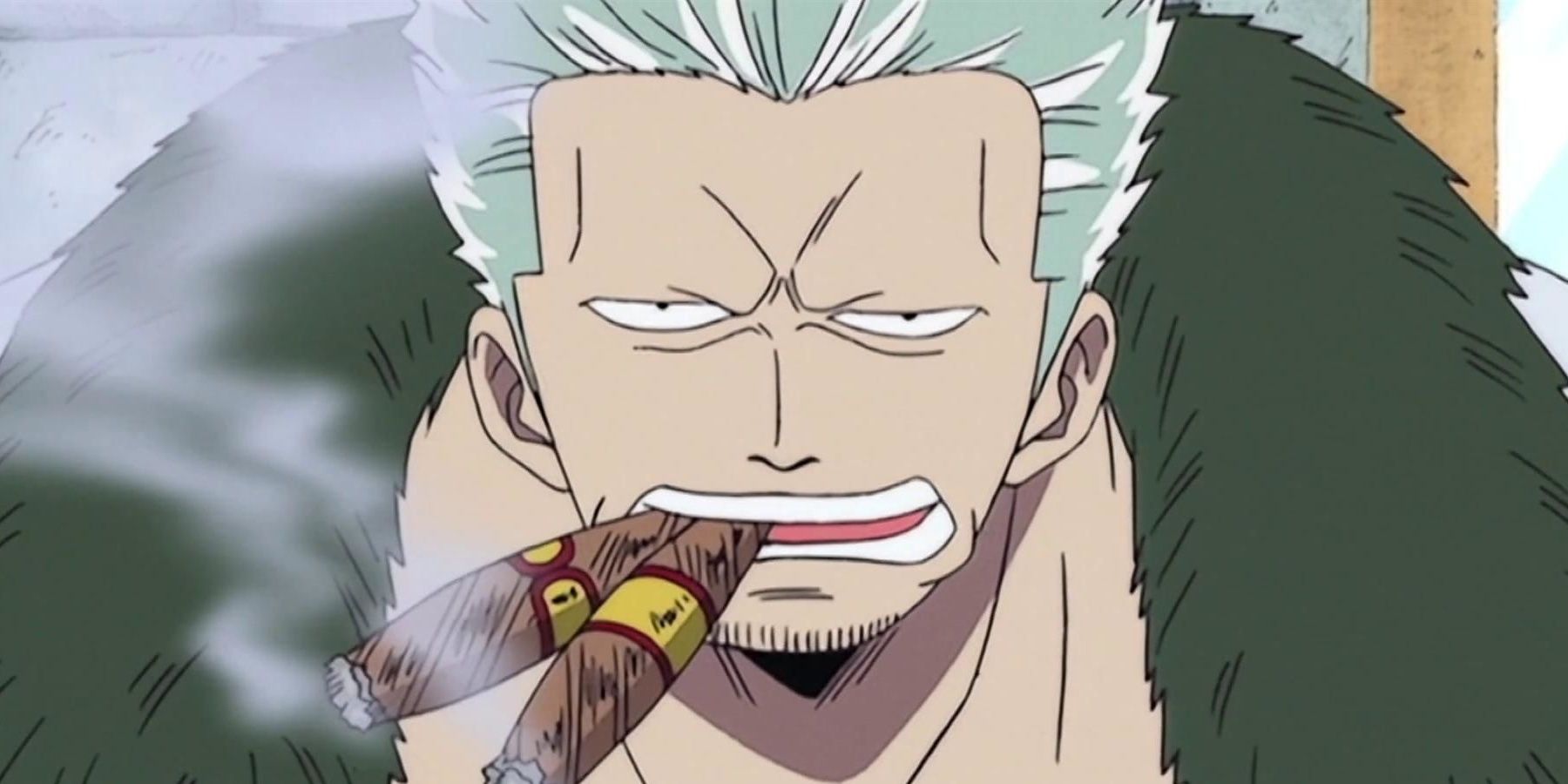
The Loguetown arc showcased the Straw Hat crew exploring Loguetown and each member had their own experiences. Luffy visited the spot where Gold Roger was executed, while Zoro visited a sword shop and met Tashigi, a Navy officer. Notable villains also made an appearance, with Buggy the Clown and Lady Alvida teaming up against Luffy, and Captain Smoker chasing after the Straw Hat crew. However, the arc did not have significant fights or extensive worldbuilding.
Despite this, the Loguetown arc served as a teaser for future events and expanded the scope of the One Piece world. Characters like Dragon, Smoker, and Tashigi made extended cameos, foreshadowing the dangers and adventures that awaited the Straw Hat crew in the Grand Line.
Why Did Netflix’s One Piece Skip the Loguetown Arc?
There were practical reasons for excluding the Loguetown arc in Netflix’s One Piece. The production of the live-action series was already expensive, and adding the Loguetown arc would have strained the budget even further. The producers decided that if they were going to include the Loguetown arc, it had to be done justice, and they lacked the resources to do so. As a result, the arc was omitted, and the story transitioned directly from Arlong Park to the Reverse Mountain mini-arc in Season 2.
Aside from practical reasons, there were narrative benefits to excluding the Loguetown arc as well. The live-action series is an adaptation and not a shot-for-shot remake of the original anime and manga. The adaptation aimed to capture the essence of One Piece while presenting it in a more streamlined package. The focus was on core character arcs, drama, character development, and chemistry. Excluding certain arcs, such as Loguetown, allowed the series to maintain its pacing and end Season 1 with a triumphant bang.
While Loguetown may have fit the exploration feel of the anime, Netflix’s One Piece has a different approach. It functions more like a mega-sized movie, with sharp pacing, tight dialogue, and quick fight scenes. The Loguetown arc would have detracted from the overall direction and coherence of the series. Omitting it allowed the momentum from defeating Arlong to carry into the next adventure in the Grand Line.
Source : www.cbr.com
