
Adaptation exceptionnelle de Roald Dahl par Wes Anderson
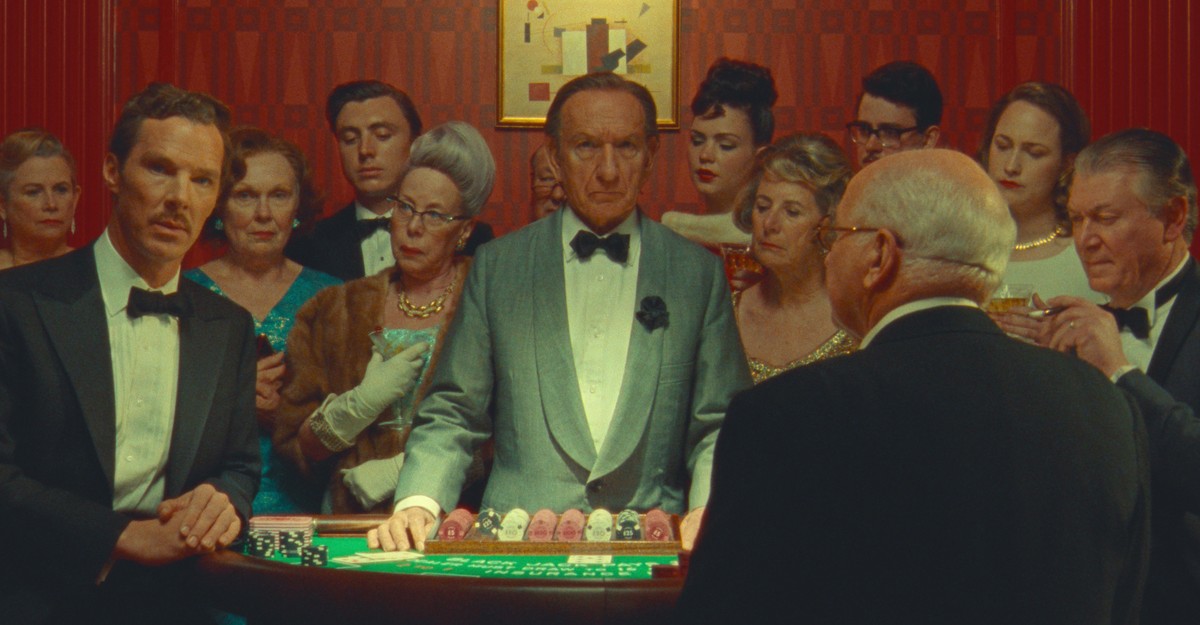
Wes Anderson’s latest collection of Roald Dahl adaptations for Netflix brings a theatrical quality to the screen that is both captivating and refreshing. The films feel as though they could be performed on stage with a small group of actors and a limited budget, relying on the imagination of the audience to fill in the gaps left by the minimalistic, analog style. This deliberate choice to showcase the seams of storytelling raises questions about the purpose and meaning behind Anderson’s work.
In this series, Anderson takes on the task of adapting Dahl’s short stories into a series of filmed plays. The result is a departure from Anderson’s signature whimsical style, with each film delving into the macabre imagination of the author. Ralph Fiennes, in the role of Dahl, serves as both a host and a guide, leading us into the dark recesses of the stories. However, Netflix did little to promote the collection as a cohesive unit, requiring viewers to search for each individual short. Despite this, there is a clear connection between the stories and the foregrounding of Dahl himself.
Anderson has always had a tendency to layer stories within stories, creating a distance between the audience and the action. This deliberate choice forces us to actively engage with the narrative and question the truth of what we are being shown. The Royal Tenenbaums begins with a shot of a book, hinting at its literary origins, while The Grand Budapest Hotel opens with a woman visiting the shrine of an author whose book contains the story within the movie. Asteroid City takes this concept to the extreme, presenting a play that looks like a movie within a documentary. In each frame, Anderson meticulously composes the visuals, drawing attention to the artificiality and self-awareness of his films.
One of Dahl’s stories, “The Wonderful Story of Henry Sugar,” serves as an early inspiration for Anderson’s nested narratives. In this story, a wealthy man comes across a handwritten notebook that changes the course of his life. The narrative unfolds through multiple layers, with Henry reading a written testimony about a man who learns to see without his eyes, which is then followed by the story of the yogi who taught him. Anderson brings this intricate structure to life through two-dimensional backdrops and stagehands assisting with special effects and costume changes, creating a unique pop-up picture book aesthetic. Through this adaptation, Anderson delves into the construction of movies and plays, exploring the elements and artifice that captivate audiences.
While “The Wonderful Story of Henry Sugar” offers a relatively optimistic tale, the other three adaptations in the series delve into darker themes. “The Swan” recounts the traumatic childhood of a man who was bullied to the point of near-death, “The Rat Catcher” follows two men in a village plagued by rats and their encounter with a disturbing exterminator, and “Poison” tells the story of a man threatened by a deadly snake. These stories all explore the loss of humanity and the sacrifices people make. Anderson remains faithful to Dahl’s original texts, with characters reading the stories verbatim, but adds his own touch through the visual spectacle of the films.
Dahl’s stories for adults, which often resist moral clarity and deliver unpleasant surprises, resonate with Anderson’s vision of morally questionable storytelling. In adapting Dahl’s work, Anderson intricately weaves the author into the fabric of the films, highlighting the vital but contentious nature of storytelling. His films demand active engagement from viewers, encouraging curiosity and inquiry. Anderson’s exploration of Dahl’s work not only acknowledges the author’s problematic aspects but also invites us to question the deeper meaning behind the stories.
In conclusion, Wes Anderson’s collection of Roald Dahl adaptations presents a unique blend of theater and cinema, showcasing the artifice and self-awareness of storytelling. Through meticulous visual compositions and a layered narrative structure, Anderson challenges viewers to actively engage with the stories. Despite the controversy surrounding Dahl’s personal beliefs, Anderson’s adaptations offer a thought-provoking exploration of the power and complexities of storytelling.
Source : www.theatlantic.com
