
Bandes-annonces doublées en japonais pour le Live Action de One Piece sur Netflix, une ambiance chaleureuse.
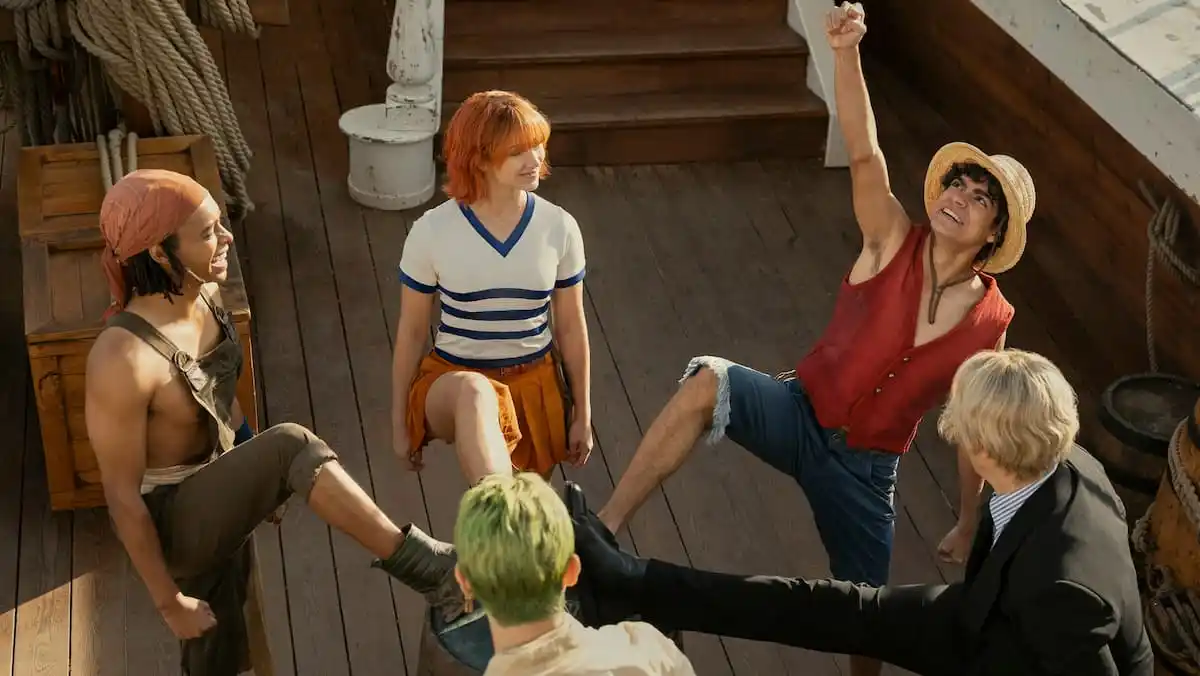
Netflix’s live-action adaptation of One Piece has generated a lot of questions, especially regarding how faithful it will be to the original anime. The series is keen on establishing its own identity while also catering to the dedicated fan base. In a bold move, Netflix has enlisted the entire original voice cast from the anime to dub the live-action series in Japanese, thus ensuring a familiar experience for fans.
The Comfort of Familiarity
The Japanese dub release, along with the premiere of the first episode in Los Angeles, offered fans a unique experience. Watching an American-made live-action production while hearing the voices of the beloved Japanese voice actors creates a surreal atmosphere. Although it may take some adjustment, the presence of the familiar voice track provides a feeling of comfort and nostalgia.
It is important to note that the soothing effect of the Japanese dub is not a reflection of the quality of the live-action performances. The cast of the One Piece live-action adaptation, particularly the actors portraying the Straw Hat crew, delivers commendable performances. However, for the fans who fell in love with One Piece through the anime sub, the original voice cast is an integral part of the experience. These actors have brought these characters to life for almost 25 years in various mediums, solidifying their association with the franchise.
Differences and Risks
While the Japanese voice actors bring a sense of familiarity, it is essential to understand that they are not reproducing their anime performances identically. From the trailer, it is evident that there are some differences in the delivery of characters like Luffy, Nami, and Sanji. The performances have a slightly more serious and cinematic tone, aligning with the overall atmosphere of the live-action adaptation. This shift in tone adds a fascinating dynamic to the series.
Despite these changes, the beloved quirks and comedic elements of the characters shine through. Zoro and Sanji’s playful arguments and Luffy’s complaint about his missing face on the wanted signs retain the classic humor that fans adore. While Iñaki Godoy’s portrayal of Luffy is excellent, fans of the anime sub will always have a special place in their hearts for Mayumi Tanaka’s iconic delivery of the line, “I’m Monkey D. Luffy, and I’m going to be the king of the pirates.”
The Double-Edged Sword
Introducing direct elements from the original anime can be a double-edged sword for live-action adaptations. While it may evoke nostalgia and please fans, it also invites comparison and highlights the differences between the two versions. This was evident in Netflix’s live-action adaptation of Cowboy Bebop, where Yoko Kanno’s scoring accentuated the distinction from the original anime.
Whether this approach will work for One Piece remains to be seen. The Japanese audience, who grew up in a culture where One Piece is ubiquitous, and international super-fans of the anime are likely to watch the Japanese dub. These are arguably the hardest audiences to please. Nevertheless, including the original voice cast for the Japanese dub was a necessary move that cannot be ignored. Personally, I am excited about the prospect of witnessing Tanaka’s performance as Luffy once again in eight hour-long episodes. It has been far too long since we simply got to chill with Luffy in the anime, and this opportunity is eagerly anticipated.
In conclusion, Netflix’s approach to the live-action adaptation of One Piece strikes a delicate balance between establishing its own identity and respecting the franchise’s dedicated fan base. By bringing in the original voice cast for the Japanese dub, the series caters to the desires of both the Japanese and international audience, ensuring a familiar and nostalgic experience for fans.
Source : www.themarysue.com
