
Les 10 séries TV qui ont changé leur concept original pour le mieux
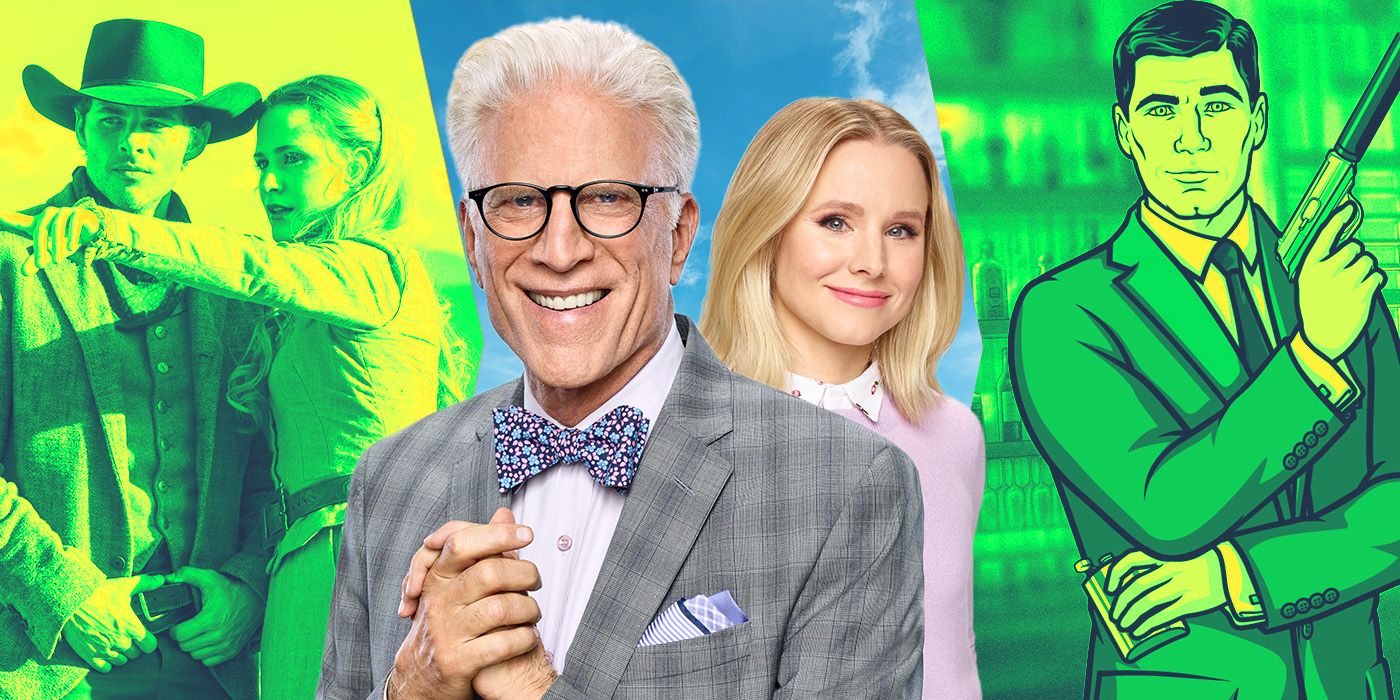
10 Great TV Shows That Swapped Their Original Premise for the Better
Many of the greatest television shows of all-time didn’t arrive fully formed. Shows like Game of Thrones or Friday Night Lights may have had a clear goal in mind from the very beginning because they were based on previously existing source material, but spontaneity and invention resulted in some surprising twists and turns for many great shows. It’s impressive when a show’s creators are able to change things up in order to keep the audience on their toes.
The Good Place (2016-2020)
The Good Place began as a heartfelt, quirky sitcom that looked at what life was like in the afterlife for the brilliant philosopher Chidi and the self-professed “bad person” Eleanor. However, The Good Place changed directions when it was revealed that the characters were all in “The Bad Place” because of the mistakes that they made during their lives on Earth.
Angel (1999-2004)
The spinoff of Buffy the Vampire Slayer decided to move the character Angel from Sunnydale, California to Los Angeles, where he started solving crimes under an independent detective agency. Angel eventually became an existentialist fantasy drama about the never-ending battle between good and evil.
Battlestar Galactica (2004-2009)
Battlestar Galactica is easily one of the greatest reboots in the history of science fiction television. The stunning new series allowed Battlestar Galactica to become much darker and more mature, transitioning into a more spiritual series about the origins of mankind.
Archer (2009-2023)
Archer began as a satire of spy movies, but shifted directions in its fifth season to become a crime drama series inspired by Miami Vice. It subsequently became an anthology series, allowing it to explore different genres and narratives.
Twin Peaks (1990-2017)
Twin Peaks is arguably the show that changed television forever, as it had a “water cooler” effect that provoked lively conversations amongst fans. The series evolved into a battle between good and evil, exploring complex themes and characters.
Community (2009-2015)
Community began as a standard sitcom but quickly defied logic by turning into different genres, paroding films and developing ongoing storylines. It evolved into a compelling and unique show that kept viewers engaged.
Westworld (2016-2022)
Westworld transformed itself into a neo-noir cyberpunk thriller, exploring a dystopian future where powerful corporations use artificial intelligence to bully mankind. The show was canceled before its final season, but impressed with its radical changes.
American Dad! (2005-Present)
American Dad! initially relied on satire, but transformed into a surreal and science fiction-driven show with a focus on the character of Roger. The series explored unexpected twists and reveals, elevating it beyond a mere ripoff of Family Guy.
South Park (1997-Present)
South Park began as a dark and thoughtful social satire, but evolved into a more serialized storyline that reflected on critical events. The show remained culturally relevant by commenting on current events shortly after they occurred.
Lost (2004-2010)
Lost began as a survivalist drama but developed a deep mythology about the island and a battle between good and evil. The series explored time travel, alternative realities, and the afterlife, making bold choices that divided audiences.
Source : collider.com
